

As Master Gardeners we are especially attuned to nature. Each season brings changes in our surroundings.
What is Phenology?
Observing and recording the seasonal changes in the natural world. It illustrates how these changes occur within or close to the same timeframe each year.
How to Use Phenology
Spring is a transition period from winter and each year this can differ in many ways. March is here and we might notice that the air seems fresher and the amount of daylight is increasing. This is an ideal time to focus on changes in our own environment, and it gives us a clear picture of the subtle shifts in nature that are all around us. To narrow the focus, it is recommended to pick a specific area of your yard or an area you visit regularly. You can choose to limit your observations to plants and trees or include insects and other wildlife to encompass a larger view. Begin by taking a walk around your chosen site and make note of what you observe. You can jot your observations in a plain notepad/sketchbook or use a chart to record what you see. I chose my native garden as one site and my front perennial garden as my second site. A simple phenophase checklist should include the date observed, species, and notes. Photos are great additions and they can also be added if desired. Some tips for consistency: use specific plants/trees and observe each phenophase throughout the seasons. How to use: Visit the same site once or twice each week from snowmelt through the seasons. Record the first date you observe each event. A sample list:
| Date | Observation/Species | Notes | Images |
|---|---|---|---|
| Angelina Sedum | 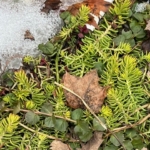 |
||
| Rose Campion | 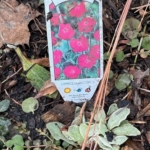 |
||
| Serviceberry | 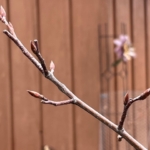 |
||
| Redbud Tree | 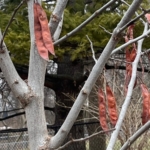 |
||
| Trumpet Vine | 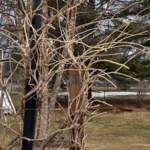 |
||
| Catmint | 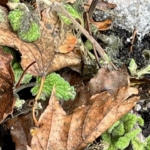 |
We will be observing these plants and others throughout the seasons in a four-part blog series.
What Can Phenology Tell Us?
- When to plant our seeds
- What pollens are present which can affect allergy sufferers
- Insect populations vary according to the seasons, what insect is affecting my plants
- What birds will begin to nest
Climate change has increased the need for tracking changes in the environment. If Phenology sounds interesting to you, check out the National Phenology Network. There is a fun and interactive component called “Nature’s Notebook” that will allow you to set up an account and do observations of your own.
Phenology week is March 16-20 – check out National Phenology Week for webinars and daily challenge activities.
Winter is coming to an end and there is no better time to open your eyes and see the magical changes of Spring.
Further Reading
Here are some book suggestions to help you increase your knowledge of Phenology:
Theresa M. Crimmins, 2025, Phenology, MIT Press
Jim Gilbert, 2008, Jim Gilbert’s Minnesota Nature Notes, Nodin Press
By Val McGruder